
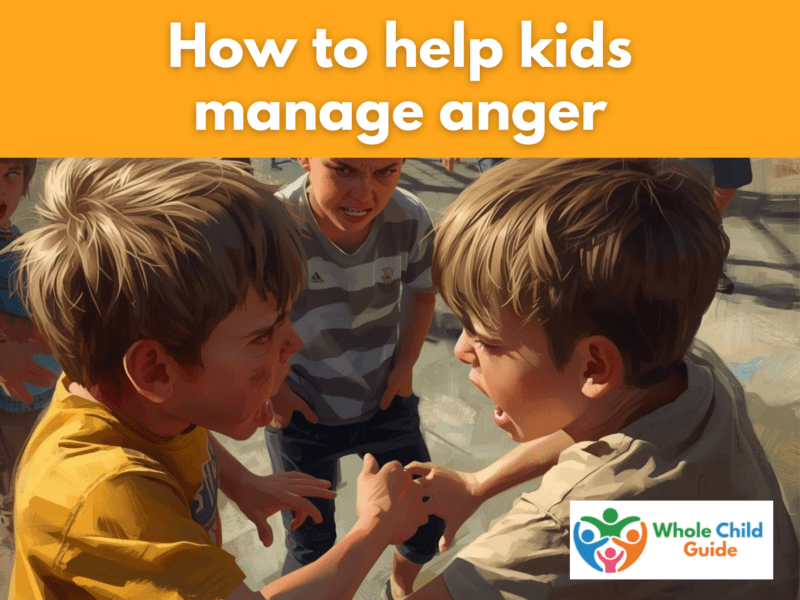
When kids get angry in social situations, especially in the classroom or around peers, there’s often much more happening beneath the surface than what we see. Through a holistic lens, anger isn’t just “bad behavior.” It’s a signal that a child’s emotional, sensory, or social systems are overwhelmed and struggling to stay regulated. Supporting children experiencing persistent anger and frustration with a holistic lens of social and emotional skills is key.
Some children experience anger when they feel embarrassed, misunderstood, or excluded. For example, a child who’s corrected in front of classmates or who loses a game might feel intense frustration that quickly turns into anger because their coping skills aren’t fully developed yet. Others might react to sensory overload — the noise of the classroom, bright lights, or too many transitions can make it harder to think clearly and self-regulate.
For kids who already have difficulty with emotional regulation or social communication, such as those with ADHD, autism, or sensory processing differences, these moments can feel like “too much.” They may yell, cry, or shut down not because they want to disrupt, but because their nervous system is signaling distress. For our highly sensitive kids, this can happen quite often.
All of this is part of social skills and the whole child.
In these moments, a holistic approach helps us pause and ask:
- What might this child’s body be experiencing right now? (sensory overload, fatigue, hunger)
- What emotions are being triggered? (shame, disappointment, fear of failure)
- What skills are missing that could help them handle this differently next time? (self-awareness, perspective taking, communication tools)
Support professionals — teachers, counselors, and OTs — can collaborate by offering preventative supports like sensory breaks, role-playing social problem-solving, and emotional check-ins before stress escalates. When kids learn that anger isn’t “wrong” but rather a cue to slow down and reconnect, they begin to build the emotional safety needed to grow, relate, and thrive socially.
Understanding Anger in Kids from a Whole Child Perspective
Anger is one of the hardest emotions for children, and parents, to navigate. When kids get angry, it’s often the visible tip of a much deeper iceberg of unmet needs, sensory overload, emotional dysregulation, or communication breakdowns. Taking a holistic view means looking beneath the behavior to see what’s really driving those big reactions.
Some of the most common questions parents ask include:
- How can I help my child with anger issues?
- What is really happening when my child is angry?
- How can I help my child when they are really upset?
Let’s explore what’s going on behind the anger and how to help your child regulate and reconnect.
What’s Really Happening When a Child Feels Angry
From a whole child standpoint, anger is not just a behavioral problem. The actions that we see the child (or teen) exhibit are signals. They are visual clues that tell us that a child’s body, mind, or emotions are out of balance.
- Sensory Triggers: Some kids experience physical discomfort from sounds, textures, or bright lights. Their nervous system goes into fight-or-flight before they can even explain why.
- Emotional Overload: Kids often feel frustration, disappointment, or embarrassment long before anger shows up. When they don’t yet have the words or tools to express it, anger becomes the outlet.
- Cognitive Load: When executive functioning skills—like flexibility or impulse control—aren’t fully developed, kids can struggle to pause before reacting.
Recognizing these layers helps adults respond with empathy instead of punishment.
Whole Child Strategies to Support Anger and Emotional Regulation
The good thing is that we can help kids who experience anger and frustration in a way that impacts their daily life skills. Start by downloading our resource on everyday strategies to support emotional regulation.
- Name the Emotion
Help your child identify and label feelings as they arise. Saying, “You’re feeling frustrated that the game ended,” validates the experience and builds emotional vocabulary. This goes for big emotions, too. - Offer Physical Regulation First
Before talking, help calm the body. Encourage heavy work, deep breathing with movement, or a sensory break in a quiet space. - Use Visuals and Calm Down Tools
Create a “cool-down corner” with visuals that show different emotions and matching strategies. Weighted items, fidgets, or calm-down jars can provide comfort. - Practice Problem-Solving After Calm Returns
Once your child is calm, revisit the situation. Ask, “What can we do next time you feel mad?” This builds emotional intelligence and self-awareness. - Model Emotional Control
Children learn regulation through co-regulation. Narrate your calm strategies out loud: “I’m feeling frustrated, so I’m going to take a deep breath.” - Build Predictable Routines
Consistent schedules reduce anxiety and give kids a sense of control—two key factors in reducing outbursts.
Supporting the Whole Child at Home and School
Helping an angry child goes beyond teaching coping strategies—it’s about creating an environment that supports the whole child. At home, this might look like sensory-friendly spaces, consistent family routines, and empathy-driven communication. In schools, it means recognizing emotional needs alongside academic ones and providing sensory breaks or movement opportunities.
At home, this might look like creating sensory-friendly spaces where a child can feel safe to reset—dim lighting, a quiet corner with soft textures, or access to calming movement like rocking or deep pressure. Consistent family routines build predictability, reducing anxiety and helping children regain a sense of control. You can try the ideas in our easy strategies to support sensory needs, as well.
Empathy-driven communication, which is acknowledging what your child feels before trying to correct it, helps them learn that emotions are safe, even when they’re big.
In schools and therapy settings, a holistic approach means recognizing emotional regulation as a foundation for learning and participation. This might involve structured sensory breaks, access to a counselor or occupational therapist, or simply a teacher who knows when a child needs movement before math. Professionals can work together—teachers, OTs, speech therapists, counselors, and psychologists—to address the underlying needs fueling frustration, rather than just the surface behaviors.
Support professionals play a key role in guiding parents through this process. Occupational therapists might assess sensory triggers contributing to anger, while mental health providers teach emotional literacy and coping tools. Together, these supports bridge the gap between body and mind, helping children not just “calm down” but understand what’s happening inside them.
The goal isn’t to eliminate anger—it’s to help children recognize it as information. When kids feel seen, heard, and supported by the adults around them, anger becomes an opportunity for connection and growth, not shame. With a holistic lens, we move from managing behavior to nurturing understanding, confidence, and resilience.
Ultimately, we want to help children understand and manage their anger in healthy ways. When kids feel seen, heard, and supported, anger becomes a moment for growth, not shame.
Connect with Support
At Whole Child Guide, we’re building a network of professionals who understand that behavior is communication. Whether your child needs occupational therapy, counseling, or parent coaching, you can find professionals who support emotional regulation through a whole child approach.
Explore the directory and find the right fit for your family: Whole Child Guide Directory.
Are You a Professional Who Supports the Whole Child?
Join the Whole Child Guide Membership for professionals and get:
✅ Unlimited access to all our printables — organized for easy use in therapy, education, and parent support
✅ A high-visibility listing in our Business Directory — where families search based on their child’s needs
✅ Access to Downloadable Business Growth Workbooks to grow the impact of your practice
✅ The WCG Business Builder Tool to help you reach aligned families and grow sustainably
✅ All for just ONE annual fee — a marketing write-off that works smarter, not harder
Join Whole Child Guide for Professionals
Together, let’s connect more families with the care they need.